



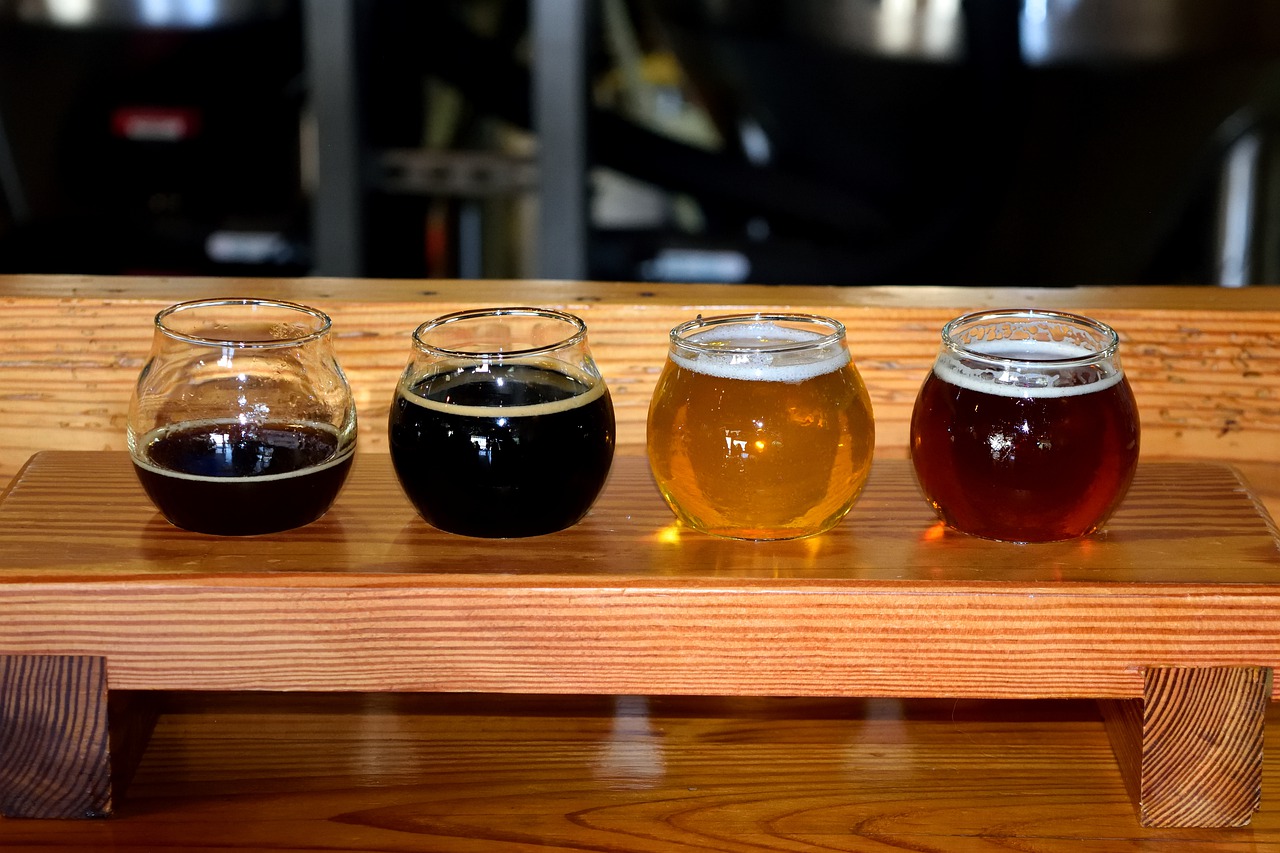

The trademark class for beer and other light beverages is unique within the International Trademark Class system. Understanding how this system works—and why beer has its own category—is essential for every Michigan craft brewer or brewery owner looking to protect their brand.
Why Register Your Beer Brand in Any Trademark Class?
Trademark registration is vital for any craft beer product, brewery, tavern, or restaurant service.
The craft brewing industry is both competitive and local. That means your competition might come from a neighboring Michigan town—or from another small brewery across the country. Brewing equipment and technology are relatively accessible, which makes it easy for new brewers to enter the market.
If you’ve developed a craft beer, naming it is part of the fun. But it’s also where legal risk begins. How do you know another brewer hasn’t already claimed your perfect IPA name? You don’t—unless you’ve registered your beer name or brewery name as a federal trademark with the U.S. Patent and Trademark Office (USPTO).
Once you’ve registered your brand name, the USPTO can alert other brewers to your rights. If someone else uses your registered name, you have the legal power to make them stop.
The Power of Registering Craft Beer & Brewery Names as Trademarks
A federal trademark registration with the USPTO gives your brewery several powerful advantages:
- You can use the ® registered trademark symbol on your labels and advertising.
- You can prevent others from registering the same name or logo.
- You can send cease-and-desist letters to infringers.
- You can file a lawsuit in federal court for trademark infringement.
- You can request that U.S. Customs block the import of infringing goods.
- Your exclusive rights become visible in the public trademark database.
That last benefit is especially valuable. Other brewers across the U.S. often conduct trademark searches before naming their beers. If your registration appears in their search results, their attorney will likely advise them to choose a different name—saving you a potential dispute before it begins.
This level of protection is nationwide. Merely registering your LLC or filing at the state level does not provide the same power.
What Are Trademark Classes?
When filing a trademark application, you must identify the specific goods or services connected to your mark. Trademarks are divided into 45 International Classes, each representing a different category of goods or services.
You can’t register a name just because you like it. The mark must be used in U.S. commerce to identify your product or service.
The purpose of trademark registration is consumer protection. The USPTO wants to ensure that consumers aren’t confused about what they’re buying or who they’re buying it from.
If your brewery name isn’t used in commerce, you can’t register it. Likewise, if your brewery’s name is used only for beer, the USPTO won’t be concerned if another business uses the same name for something completely unrelated—like computer hardware.
That’s because trademarks can coexist if there’s no likelihood of consumer confusion. Beer and microprocessors fall into entirely different International Classes.
Understanding the International Class System
The International Trademark Class system is governed by the World Intellectual Property Organization (WIPO).
The first 34 classes cover products, while the remaining classes cover services. For breweries, this typically breaks down as follows:
- Class 32: Beer and light beverages
- Class 35: Retail and business services
- Class 43: Hotels, restaurants, and bars
You can apply for trademark protection in multiple classes—if you genuinely intend to sell goods or services in each one. However, each class adds a separate USPTO filing fee. Applying in every class without a legitimate business reason is expensive and requires proof of use in each category.
What Is Included in Class 32?
Trademark Class 32 covers “light beverages.” This includes:
- Beer
- Mineral and aerated waters
- Non-alcoholic fruit beverages and juices
- Syrups and other beverage preparations
Not included are drinks with medical purposes, milk-based beverages, or those involving coffee, cocoa, or chocolate. These belong to different trademark classes.
What About Wine and Other Related Products?
Beer is registered in Class 32, but other alcoholic beverages—like wine and spirits—fall under Class 33.
If your brewery also serves food, that restaurant service would be registered under Class 43. If you sell coffee under your brewery brand, that would fall into Class 30.
In short, related products and services might reside in entirely different classes. Choosing the correct class ensures full protection for every aspect of your brand.
What Can a Michigan Trademark Attorney Do for My Craft Brewery?
Working with a Michigan trademark attorney ensures your brand is fully protected from the start.
Your attorney will:
- Evaluate whether your beer or brewery name is strong enough to register.
- Conduct a full professional clearance search to confirm it’s not already in use.
- Prepare and file your application with the USPTO.
- Respond to any Office Actions or third-party oppositions on your behalf.
Hiring an experienced Metro Detroit trademark lawyer helps you avoid costly mistakes and rejections. Serious breweries don’t risk their brand with DIY filings or cut-rate online services.
Protect Your Craft Beer Brand with Noble Path Legal
Noble Path Legal PLLC is a boutique U.S. law practice based in Metro Detroit. We assist craft brewers, entrepreneurs, artists, musicians, startups, and established companies with:
- Trademark registration and renewal
- Office Action responses
- Trademark monitoring and enforcement
We offer virtual consultations, premium client service, and years of experience helping Michigan businesses protect their brands nationwide.
Click the “Register Your Trademark” button below to start your brand protection journey today.